Tuesday, February 25, 2025

The Sustainability of Fish Stocks on Earth


The world's oceans are a vital resource, providing food, livelihoods, and ecological balance. However, the sustainability of fish stocks is a growing concern due to overfishing, climate change, and habitat destruction. Let's explore the current state of fish stocks and what we can do to ensure their sustainability.


 The Current State of Fish Stocks

1. Overfishing: Overfishing occurs when fish are caught at a rate higher than the population can replenish. This leads to a decline in fish stocks and disrupts the marine ecosystem. According to recent data, many fish stocks are overexploited and are unable to produce their maximum sustainable yield (MSY)-1.

2. Climate Change: Rising ocean temperatures and changing ocean currents affect fish habitats and migration patterns. This can lead to a decrease in fish populations and impact the overall health of marine ecosystems-2.

3. Habitat Destruction: Destructive fishing practices, such as bottom trawling, can damage critical habitats like coral reefs and seagrass beds. These habitats are essential for the survival and reproduction of many fish species-3.


 Efforts to Ensure Sustainability

1. Sustainable Fishing Practices: Implementing science-based management plans and regulating fishing practices can help restore fish stocks to sustainable levels. This includes setting catch limits, protecting spawning areas, and reducing bycatch-2.

2. Marine Protected Areas (MPAs): Establishing MPAs can provide safe havens for fish populations to recover and thrive. These areas restrict or prohibit fishing activities, allowing ecosystems to regenerate-3.

3. Aquaculture: Fish farming, or aquaculture, has become an important source of seafood. Sustainable aquaculture practices can reduce the pressure on wild fish stocks and provide a reliable source of protein for the growing global population-3.

4. Consumer Awareness: Educating consumers about sustainable seafood choices can drive demand for responsibly sourced fish. Look for certifications like the Marine Stewardship Council (MSC) label when purchasing seafood-2.


The Role of International Cooperation

Global cooperation is essential to address the challenges of overfishing and ensure the sustainability of fish stocks. International agreements and organizations, such as the United Nations' Sustainable Development Goal 14, aim to conserve and sustainably use the oceans, seas, and marine resources-2.


By working together and adopting sustainable practices, we can protect our oceans and ensure that fish stocks remain healthy for future generations. The ocean's bounty is a precious resource that requires our care and stewardship.


References:

1-: [Our World in Data](https://ourworldindata.org/grapher/fish-stocks-within-sustainable-levels)

2-:[FAO](https://www.fao.org/sustainable-development-goals-data-portal/data/indicators/1441-fish-stocks-sustainability/sdg-14---indicators-of-fish-stocks-sustainability-of-fisheries-and-illegal-fishing/en)

3-: [Our World in Data](https://ourworldindata.org/fish-and-overfishing)


Feel free to share your thoughts or ask any questions about this topic! 


Thursday, December 19, 2024

The Importance of Sustainable Fishing


Sustainable fishing
is crucial for preserving the world's oceans and ensuring the future abundance of marine life. By adopting sustainable techniques, such as limiting fishing efforts and protecting vulnerable species, fishermen can strike a balance between meeting the demand for seafood and safeguarding delicate ecosystems.

Preserving Marine Ecosystems

Marine ecosystems are vital for maintaining biodiversity and protecting the delicate balance of marine life. Overfishing and destructive fishing techniques can have a significant impact on these ecosystems, leading to the depletion of fish stocks and the loss of habitat. By implementing sustainable fishing practices, we can ensure the long-term health and vitality of our oceans.

Maintaining Biodiversity

Biodiversity is the cornerstone of healthy marine ecosystems. Sustainable fishing practices play a vital role in maintaining biodiversity by avoiding overfishing and reducing the impact on non-target species. Measures such as fishing quotas, size restrictions, and habitat protection help preserve the diversity of marine life and maintain the ecological balance.


Preventing Overfishing

Overfishing is a significant threat to marine ecosystems and the communities that depend on them. Sustainable fishing practices help prevent overfishing and promote the responsible use of marine resources. By setting fishing limits based on scientific data and implementing effective monitoring and enforcement systems, we can ensure that fish stocks are not depleted beyond their ability to recover.

Protecting Threatened Species

Many marine species are currently facing the risk of extinction due to factors such as overfishing, habitat degradation, and climate change. Sustainable fishing practices play a crucial role in protecting threatened species and promoting their recovery. Measures such as fishing closures, protected areas, and selective fishing techniques help reduce the impact on vulnerable species, allowing them to replenish their populations and thrive in their natural habitats.

Supporting Coastal Communities

Fishing is a vital economic activity in many coastal communities, providing income and livelihoods for millions of people worldwide. Sustainable fishing practices are critical for ensuring the long-term viability of these communities and safeguarding the cultural and social heritage associated with fishing. By promoting sustainable fishing, we can help ensure that coastal communities can continue to rely on fishing as a source of income and food.

Mitigating Climate Change

Healthy marine ecosystems can act as carbon sinks, absorbing and storing carbon dioxide from the atmosphere. Sustainable fishing practices help maintain these ecosystems, contributing to the mitigation of climate change.

Sustainable fishing is not just about protecting the environment; it's also about ensuring the long-term viability of the fishing industry and supporting the livelihoods of millions of people around the world. By adopting sustainable practices, we can help preserve our oceans for future generations.


Monday, November 4, 2024

Hooked on Sustainability: The Future of Fishing


Our oceans, teeming with life, have sustained human civilizations for millennia. However, overfishing and unsustainable practices have pushed many fish populations to the brink. It's time to reel in these destructive practices and embrace sustainable fishing.

What is Sustainable Fishing?

Sustainable fishing ensures that fish populations remain healthy and can reproduce, allowing for future generations to enjoy the bounty of the sea. It involves a variety of practices, including:

  • Selective Fishing: Targeting specific species and avoiding bycatch, the accidental capture of unwanted marine life.

  • Quotas and Limits: Implementing regulations to limit the number of fish caught, preventing overfishing.

  • Marine Protected Areas: Designating specific areas as off-limits to fishing, allowing marine ecosystems to recover and thrive.

  • Sustainable Fishing Gear: Using gear that minimizes harm to marine life, such as using gear with larger mesh sizes to allow smaller fish to escape.

Why is Sustainable Fishing Important?

Sustainable fishing is crucial for several reasons:

  • Preserving Marine Ecosystems: By protecting fish populations, we maintain the delicate balance of marine ecosystems.

  • Ensuring Food Security: Sustainable fishing helps ensure a reliable supply of seafood for future generations.

  • Protecting Livelihoods: Sustainable fisheries support the livelihoods of millions of people worldwide.

  • Mitigating Climate Change: Healthy oceans play a vital role in absorbing carbon dioxide and regulating the climate.


How Can You Help?

As consumers, we can make a difference by choosing sustainable seafood options. Look for labels like the Marine Stewardship Council (MSC) certification, which indicates that the seafood was sourced from a sustainable fishery. Additionally, consider reducing your consumption of seafood, especially overfished species.

By supporting sustainable fishing practices, we can help protect our oceans and ensure a healthy planet for future generations. Let's reel in the future of sustainable fishing together!


Wednesday, May 20, 2020

Meet our new blog: Smart Ecology

Meet our new blog: Smart Ecology


This blog has been live for many years and it aims to present best free ways that volunteers use in their endeavors.

We also have decided to create a blog where we can share our ecological experiences.

We just started with  "An ecological way to get rid of ants at home," which we consider is important in terms of biodiversity and for people wanting to deal with ants ecologically.


If you are interested, please visit the new blog.

Thanks


Friday, June 14, 2019

Read this free book if you are interested in the environment


Read this free book if you are interested in the environment


This post has been first published on the blog of our organization at: https://freecharityreviews.blogspot.com/


Millenium Assessment is a significant endeavor run by the UN since 2005. It attaches importance to biodiversity as a factor that concerns human well-being.


In addition to many other documents and reports, the initiative has a good e-book it offers free-of-charge.

You can download it from here


Website's Notes

Over the past 50 years, humans have changed ecosystems more rapidly and extensively than in any comparable period of time in human history, largely to meet rapidly growing demands for food, fresh water, timber, fiber and fuel. This has resulted in a substantial and largely irreversible loss in the diversity of life on Earth.
The changes that have been made to ecosystems have contributed to substantial net gains in human well-being and economic development, but these gains have been achieved at growing costs in the form of the degradation of many ecosystem services, increased risks of nonlinear changes, and the exacerbation of poverty for some groups of people. These problems, unless addressed, will substantially diminish the benefits that future generations obtain from ecosystems.

Sunday, April 14, 2019

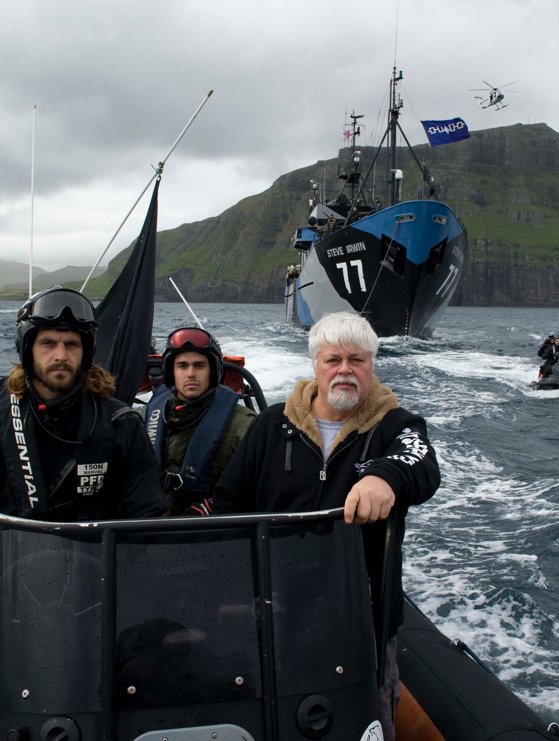
Join the crew of Sea Shepherd as a volunteer for marine life


Join the crew of Sea Shepherd as a volunteer for marine life
https://www.seashepherdglobal.org/


This post has been first published on the blog of our organization at: https://freecharityreviews.blogspot.com/


We must say first that we have been interested in and involved with the activities of Sea Shepherd in various ways for many years as it is highly reliable nonprofit endeavoring to protect our oceans and seas for more than 40 years. Second, their website and all the rich content they present on it are still quite valuable for us. 
Sea Shepherd
It is one of the few nongovernmental organizations striving for the integrity and well-being of marine life all over the world and we are indebted to Cpt. Watson, one of the founders of Greenpeace, who founded Sea Shepherd that has been protecting seas "courageously" for many decades.

It might indeed be an honor to be a part of such wonderful initiative. 

If you are willing the volunteer for seas onboard Sea Shepherd, visit their get-involved page here.


Website's Note:

The world needs more part-time heroes. Why not you? Whether you join a campaign on the high seas, volunteer in your hometown, help keep our shores clean and safe, or contribute the funds and equipment that keep our ships running, there are many ways you can become a real part-time hero helping Sea Shepherd defend, conserve and protect our precious oceans.

Sunday, March 31, 2019

If you are interested in Conservation Biology, here is a Free Comprehensive Book-Conservation Biology for All


If you are interested in Conservation Biology, here is a Free Comprehensive Book-Conservation Biology for All

This post has been first published on the blog of our organization at: https://freecharityreviews.blogspot.com/


Conservation Biology for All
Edited by Navjot S. Sodhi and Paul R. Ehrlich

We are experiencing an era in which nature, the environment, and protection of the species and beings they harbor are becoming more and more popular and important, which is wonderful!
It is also wonderful to see Environmental Science, our beloved field, and activism are acclaimed by more and more people day by day.
If you are one of those people enjoying nature thriving around you and the world and involved with conservation, rewilding, planting, etc., Oxford has published a nice book that may be interesting.


Link to the Book

The Book’s Introduction
This book contains a series of authoritative chapters written by top names in conservation biology with the aim of disseminating cutting-edge conservation knowledge as widely as possible. Important topics such as balancing conversion and human needs, climate change, conservation planning, designing and analyzing conservation research, ecosystem services, endangered species management, extinctions, fire, habitat loss, and invasive species are covered. Numerous textboxes describing additional relevant material or case studies are also included.
Conservation Biology for All has been generously made available in its entirety here:


Enjoy it!